
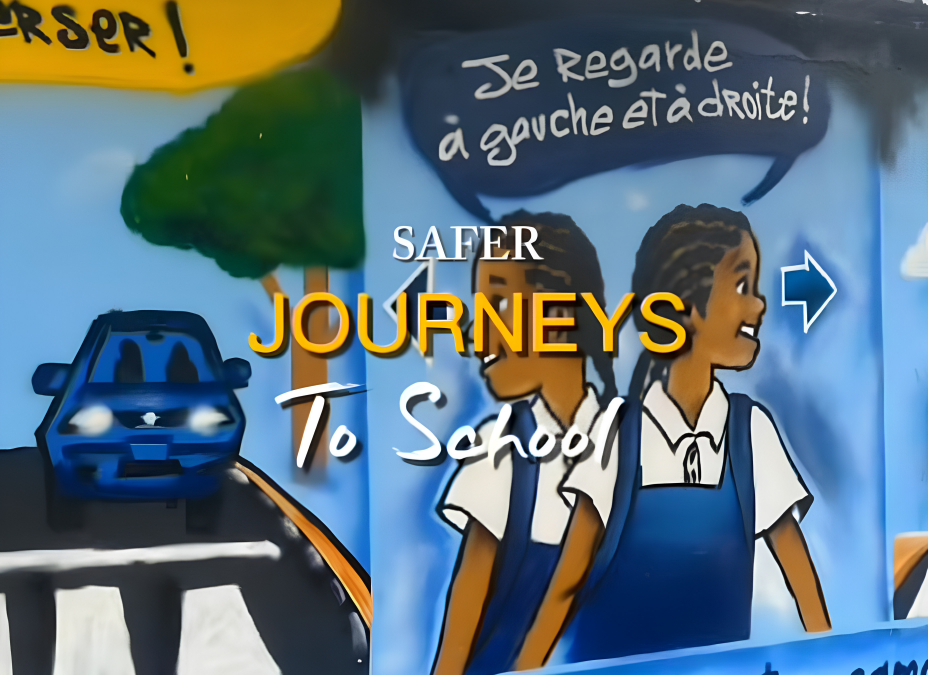
Children travelling to school in Dakar are set to benefit from safer school zones following the launch of road safety improvements at two pilot schools this week under the Safer Journeys to School initiative, led by LASER International in preparation for the 2026 Youth Olympic Games in Senegal.
The initiative forms part of LASER International’s Safe Routes to School programme, which aims to establish protective zones around schools near Bus Rapid Transit (BRT) corridors and Olympic venues in the city. The improvements come as Dakar prepares to welcome young athletes and visitors from around the world for the Youth Olympic Games, running from 31 October to 13 November.
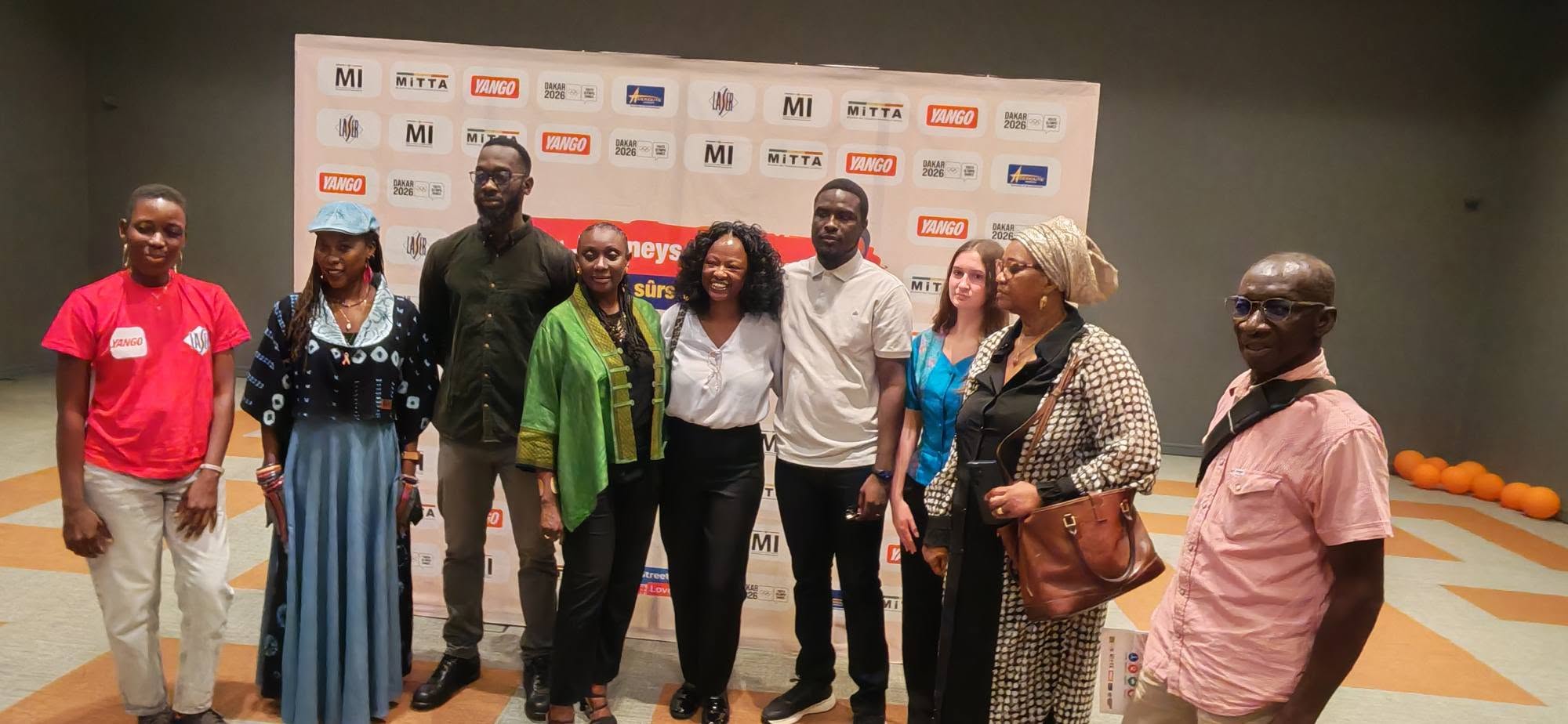
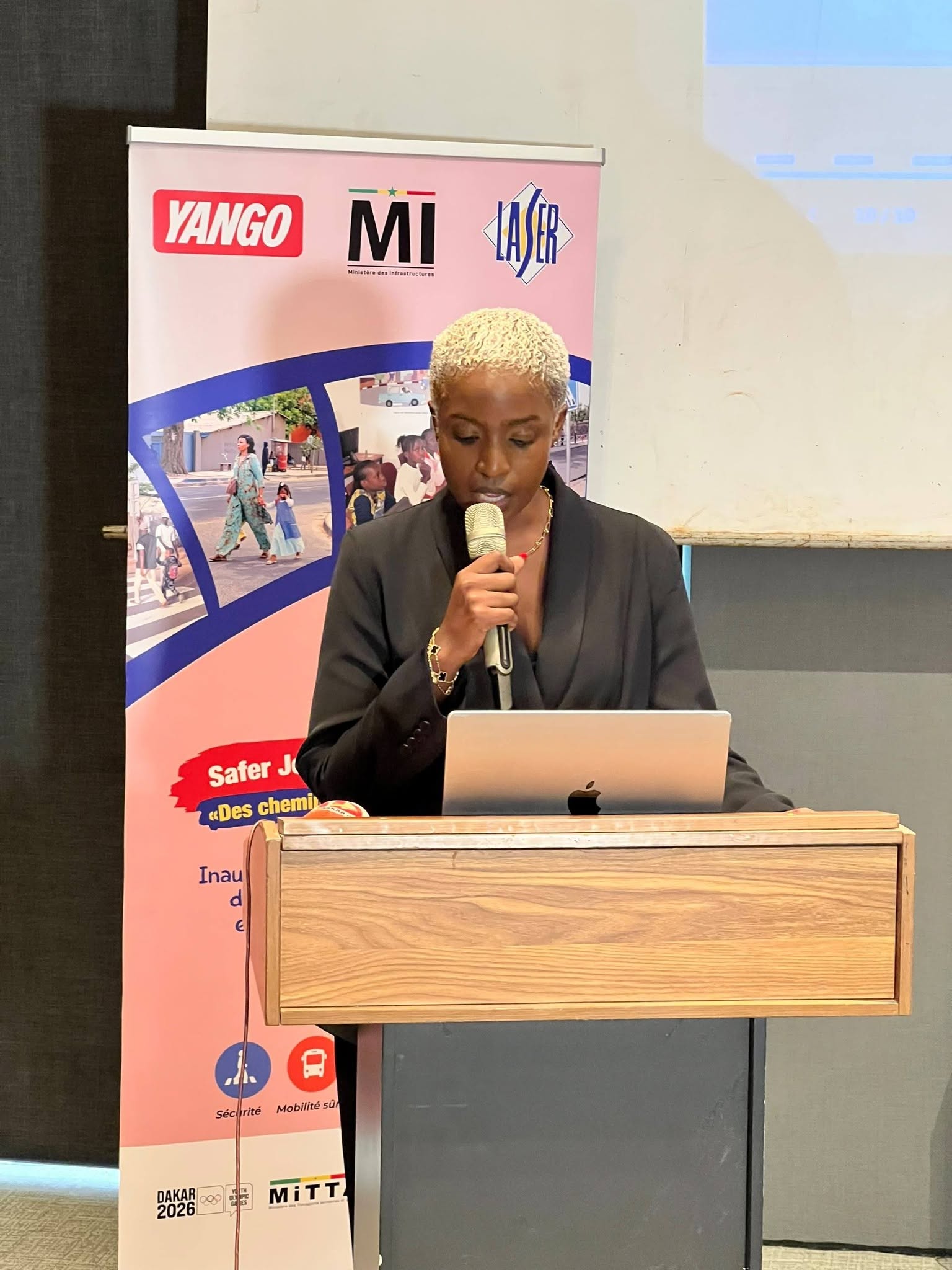
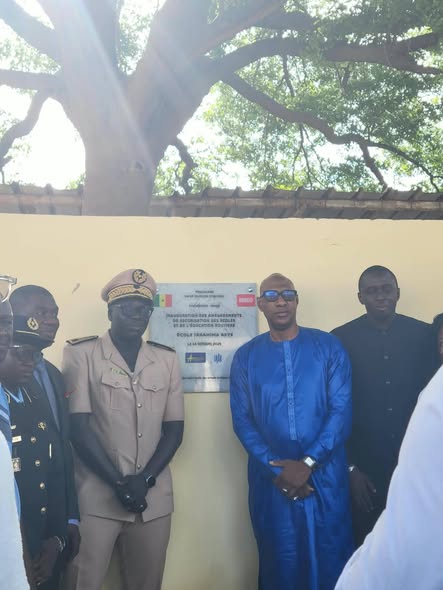
Safer school zones around Ibrahima Bèye School in Fass and El Hadj Malick Sy School in Médina were celebrated at a special event in Dakar on 14 October.
Thanks to the technical support of AGEROUTE and the strategic assistance of ride-hailing partner Yango, the road safety improvements carried out at the schools in preparation for the Youth Olympic Games, have raised their safety level to at least three stars according to the iRAP Star Rating for Schools (SR4S) methodology.
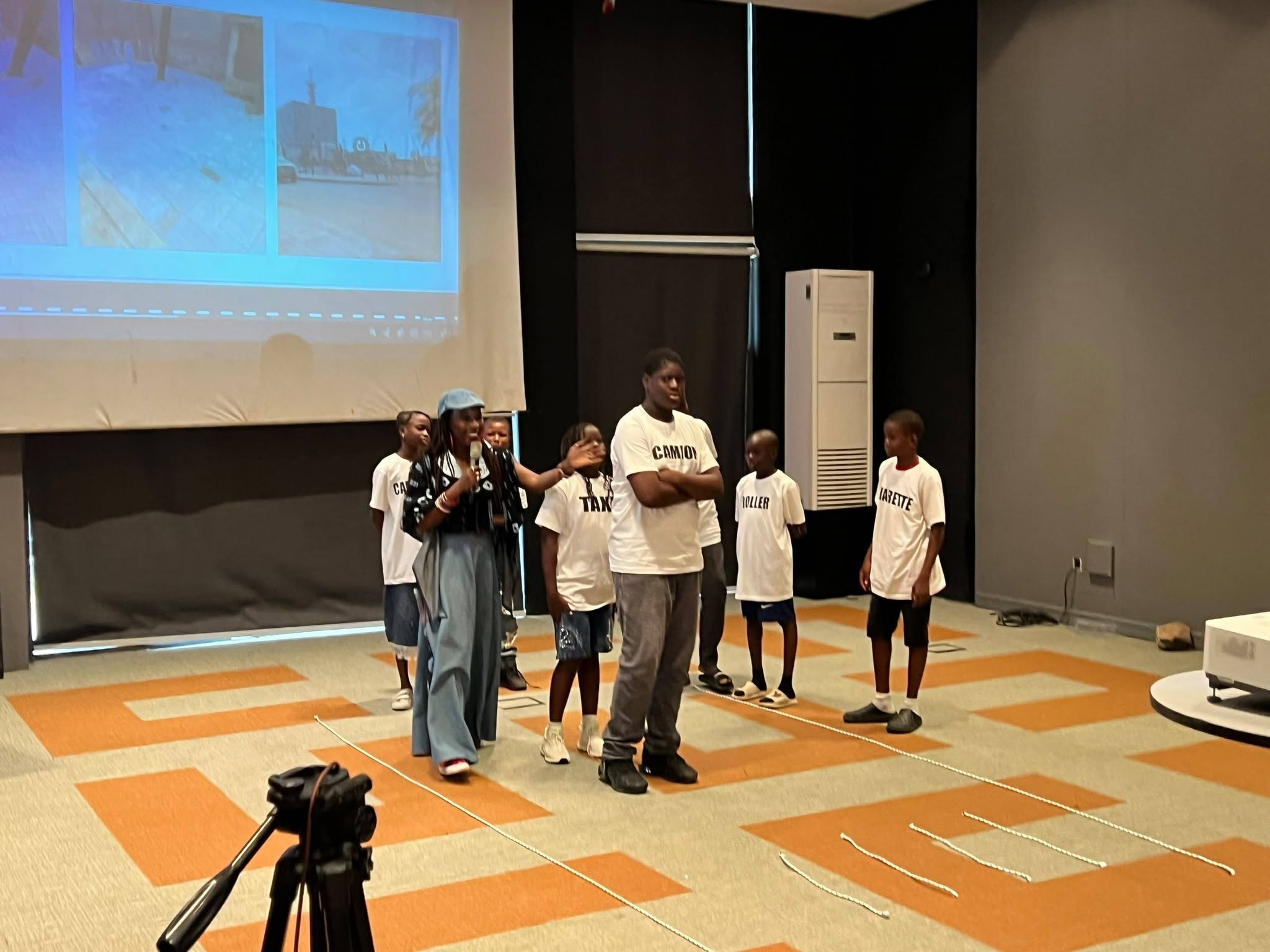
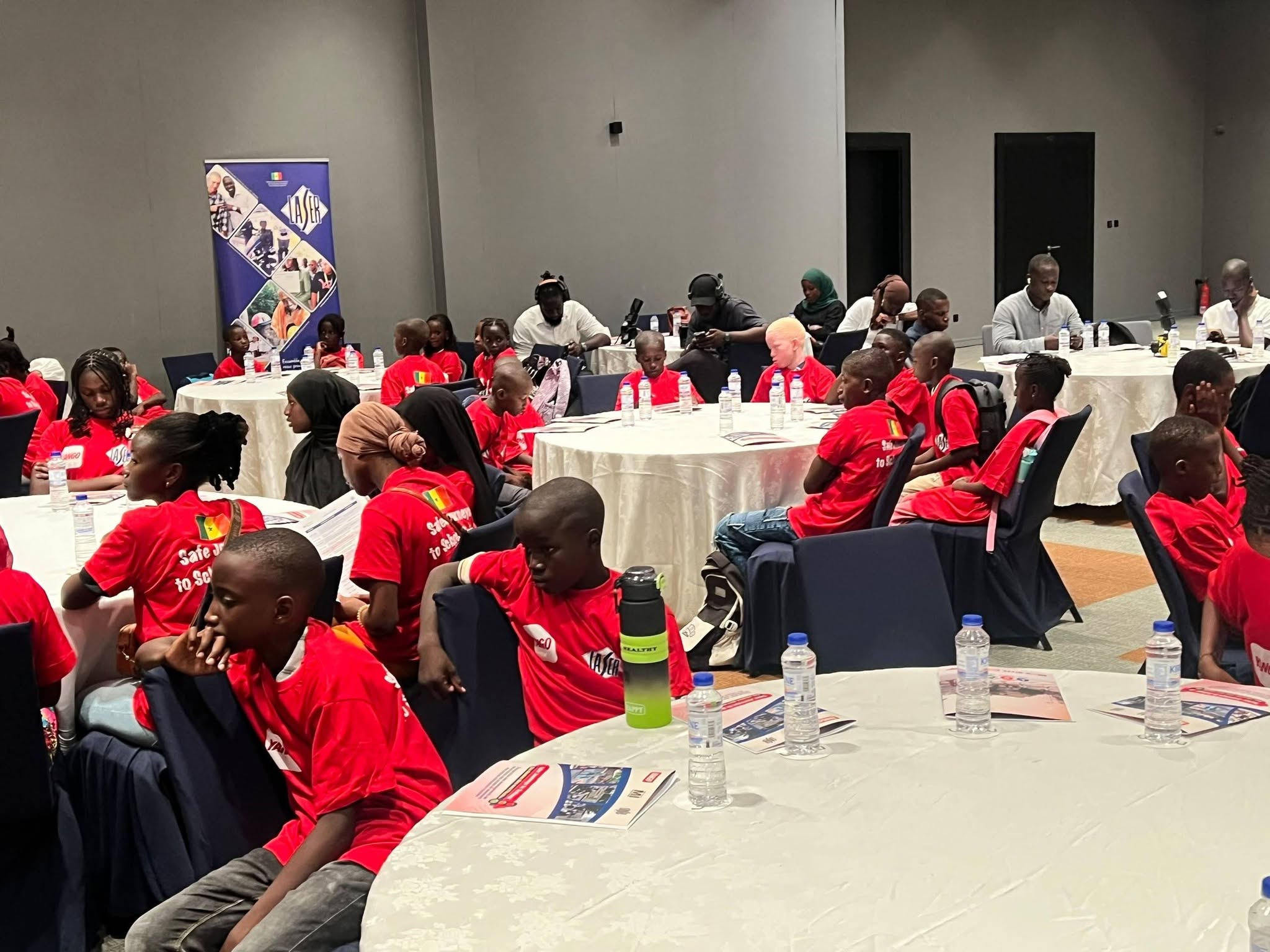
The project has also enabled the training of 2,000 students in road safety education, contributing to the strategic objective of training 4,000 children in the Dakar Academy in the main areas affected by the 2026 Youth Olympic Games, in synergy with the Games Organizing Committee.
Since 2012, LASER International and its partners have provided road safety education to nearly 150,000 children across Senegal, including in Dakar, Thiès, Saint-Louis, Ziguinchor and Kaolack.
Physical road safety improvements have also been implemented at 16 schools, including safety barriers, raised pedestrian crossings, speed bumps, signage and 30 km/h speed limits, in addition to the six schools targeted in the current expansion phase.
le Safer Journeys to School initiative builds on Senegal’s ongoing commitment to road safety education and school safety, supported by the Ministries responsible for infrastructure, transport and national education, AGEROUTE and the Executive Council for Urban Transport in Dakar (CETUD).
The programme demonstrates how investment in safer infrastructure and community engagement can leverage preparations for major international sporting events to deliver a legacy of benefits that extend well beyond the competition itself.
The iRAP Star Rating for Schools methodology provides an evidence-based approach to measuring and improving the safety of road infrastructure and speeds around schools, helping decision-makers identify risks and prioritise interventions that can protect children from death and serious injury.
Achieving at least a 3-star safety rating aligns to UN Targets 3 and 4 and the broader ambition of ensuring every child can travel safely to school and access the opportunities that education brings.
Images credit: LASER International
 Français
  English
  Português do Brasil
  Español de Colombia
  हिन्दी